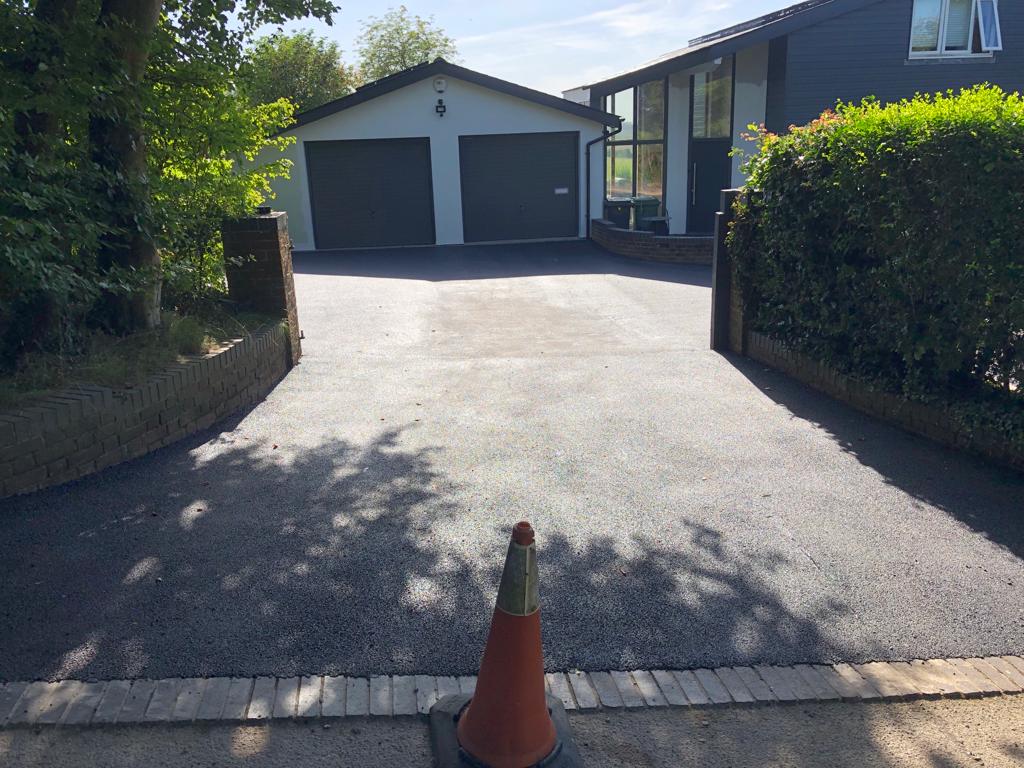
Asphalt is widely used for driveways, roads, commercial access areas and car parks because it can provide a durable, consistent surface for regular vehicle movements. However, not every asphalt pavement is constructed to withstand the same level of traffic. A surface used occasionally by light vehicles has different requirements from one exposed to repeated deliveries, daily turning movements or concentrated traffic throughout the day.
For property owners and businesses in McLaren Vale, SA, understanding what makes asphalt suitable for frequent use is important when planning a new surface or improving an existing one. Pavement preparation, material selection, compaction, drainage and the expected traffic all influence how well asphalt performs over time.
Why Does Frequent Use Place Greater Demands on Asphalt?
Every vehicle movement places pressure on an asphalt pavement. As tyres travel across the surface, loads are transferred through the asphalt into the supporting pavement layers.
Where traffic is occasional, the pavement experiences relatively limited repeated loading. However, surfaces used throughout the day must accommodate these stresses much more frequently.
Over time, unsuitable pavement construction can contribute to:
- Wheel rutting
- Surface depressions
- Cracking
- Potholes
- Localised settlement
- Uneven sections
- Premature surface deterioration
The objective of professional asphalt construction is to ensure the complete pavement is suitable for the traffic it is expected to carry.
1. A Properly Prepared Base Provides Essential Support
One of the most important factors affecting asphalt durability is the quality of the foundation beneath it.
The asphalt wearing layer provides the finished traffic surface, but the supporting pavement distributes vehicle loads and helps maintain stability.
If the base contains weak material, inadequate compaction or areas affected by moisture, repeated vehicle movements can gradually cause deformation.
This may become visible as cracking, depressions or wheel ruts in the asphalt.
Professional pavement preparation may involve:
- Assessing existing ground conditions
- Removing unsuitable material
- Establishing appropriate surface levels
- Installing suitable pavement materials
- Compacting the supporting layers
- Addressing soft or unstable sections
- Preparing the base for asphalt installation
A properly prepared foundation is particularly important where vehicles regularly follow the same wheel paths.
2. Asphalt Thickness Should Match the Traffic Requirements
The thickness of an asphalt pavement influences how it responds to repeated loading.
A lightly used residential access area may not require the same pavement construction as a commercial entrance or frequently travelled access road.
However, simply installing a thicker layer of asphalt does not automatically compensate for a weak foundation.
The complete pavement structure must be considered.
Factors influencing the appropriate construction include:
- Vehicle types
- Frequency of use
- Expected vehicle loads
- Existing pavement strength
- Turning and braking movements
- Ground conditions
- Drainage requirements
An experienced asphalt contractor can assess these factors and determine a suitable approach rather than applying the same specification to every surface.
3. The Asphalt Mixture Must Be Appropriate for the Application
Different asphalt mixtures are designed for different pavement requirements.
The combination of aggregate, bituminous binder and mixture characteristics influences how the asphalt performs under traffic.
For frequently used areas, the selected mixture needs to provide suitable resistance to deformation and wear while remaining appropriate for the intended pavement design.
This becomes particularly important where vehicles regularly brake, accelerate or turn.
The correct mixture should be selected according to the conditions of the site rather than appearance alone.
Professional material selection helps ensure the finished asphalt is suited to its intended use.
4. Effective Compaction Improves Pavement Stability
Compaction is an essential part of asphalt installation.
During construction, asphalt is placed and compacted to achieve the required density. This helps create a stable wearing surface capable of supporting regular vehicle movements.
If asphalt is inadequately compacted, it may be more vulnerable to movement, moisture penetration and premature deterioration.
The supporting pavement also needs appropriate compaction.
A well-compacted asphalt layer installed over an unstable base may still develop defects because the foundation beneath it cannot provide sufficient support.
Professional installation therefore considers compaction throughout the pavement structure, not simply at the finished surface.
5. Good Drainage Helps Protect the Asphalt
Water is one of the factors that can affect the long-term performance of asphalt.
Although asphalt provides a relatively water-resistant wearing surface, cracks, damaged sections and poorly constructed edges can allow moisture to enter the supporting pavement.
If water accumulates within these layers, pavement stability may be reduced.
Repeated vehicle loading can then contribute to movement and deterioration.
Effective drainage helps reduce this risk by directing rainfall away from the traffic surface.
Surface Levels Are Important
A properly constructed asphalt surface should have suitable falls to encourage water movement.
Where the surface is excessively flat or contains depressions, rainfall may collect in low sections.
These areas can become more vulnerable when cracks or other defects develop.
Correct levels should therefore be established during pavement preparation rather than relying on the final asphalt layer to resolve significant drainage problems.
6. Frequent Turning Movements Need Special Consideration
Traffic frequency is not the only factor influencing pavement wear.
How vehicles move across the asphalt is equally important.
A surface used mainly by vehicles travelling in a straight line experiences different stresses from an area where vehicles regularly turn, brake or manoeuvre.
Tight turning movements can create lateral forces that place additional stress on the wearing surface.
This is particularly relevant to:
- Commercial entrances
- Parking areas
- Delivery access routes
- Turning areas
- Loading areas
- Driveway entrances
Where turning movements are frequent, the pavement design and asphalt mixture should reflect these demands.
7. Repeated Vehicle Loads Must Be Considered
A frequently used asphalt surface may experience hundreds of vehicle movements across the same sections over time.
Where these movements are concentrated, wheel paths can experience greater wear than surrounding areas.
If the pavement is inadequately supported, repeated loading can contribute to rutting and settlement.
A suitable pavement structure helps distribute these loads through the supporting layers.
This is why the expected type and frequency of traffic should be established before construction begins.
An asphalt surface intended for regular commercial vehicles may require a different approach from one used predominantly by passenger vehicles.
8. A Consistent Surface Profile Supports Regular Access
A smooth, appropriately shaped asphalt surface can make vehicle movements more predictable.
Uneven sections, depressions and poorly formed transitions can create areas where vehicles experience additional movement or where water begins collecting.
For frequently used access areas, the finished profile should suit the intended traffic and site layout.
This may involve careful preparation around:
- Entrances
- Access roads
- Parking spaces
- Loading positions
- Turning areas
- Connections with existing pavement
A consistent surface profile helps maintain practical access while supporting effective drainage.
9. Strong Pavement Edges Help Prevent Deterioration
The edges of an asphalt surface can become vulnerable where adequate support is missing.
If vehicles regularly travel close to unsupported pavement edges, cracking and material loss may develop.
Water erosion or settlement beside the asphalt can further reduce support.
Professional construction should consider how the pavement edges will be supported and how water will move away from them.
Where necessary, suitable edge preparation can help reduce the risk of deterioration spreading into the main traffic surface.
10. Proper Construction Reduces the Risk of Early Defects
The performance of asphalt depends on how the pavement is constructed.
Even suitable materials may not perform as intended if preparation or installation is inadequate.
Important construction considerations include:
- Stable supporting layers
- Suitable pavement thickness
- Correct asphalt selection
- Appropriate installation conditions
- Effective compaction
- Consistent finished levels
- Drainage
- Adequate edge support
Each stage contributes to the performance of the completed surface.
For frequently used areas, attention to these details is particularly important because repeated traffic can expose weaknesses more quickly.
What Are the Benefits of Asphalt for Frequently Used Areas?
When properly designed and installed, asphalt offers several practical advantages.
A Consistent Surface for Everyday Vehicle Movements
Asphalt provides a bound wearing surface that can support regular vehicle access without the loose aggregate displacement associated with unsealed areas.
Reduced Dust and Loose Material
Unlike an unsealed surface, asphalt limits the direct disturbance of loose pavement material by vehicle tyres.
This can be particularly useful in regularly used commercial access areas.
Practical Maintenance Options
Asphalt can often be repaired where deterioration remains localised.
If the supporting pavement remains suitable, resurfacing may also be considered when the wearing layer becomes worn.
Suitability for Different Property Uses
Asphalt can be designed for residential driveways, commercial entrances, roads, car parks and other access areas.
The important consideration is matching the pavement construction to the expected traffic demands.
Can an Existing Asphalt Surface Be Improved for Frequent Use?
An existing asphalt surface may be suitable for repairs or resurfacing if the supporting pavement remains stable.
For example, a surface showing general wear or isolated defects may benefit from appropriate preparation and a renewed asphalt wearing layer.
However, where the pavement contains deep rutting, recurring potholes or significant settlement, resurfacing alone may not address the underlying problem.
These defects can indicate that the supporting layers require attention.
A professional assessment should determine whether the existing pavement can accommodate the intended traffic or whether additional reconstruction is necessary.
Signs That a Frequently Used Asphalt Surface Needs Attention
Regular inspection can help identify deterioration before it becomes extensive.
Warning signs include:
- Wheel ruts developing along regular traffic paths
- Cracks appearing around turning areas
- Potholes forming
- Depressions beneath stationary vehicles
- Surface material becoming loose
- Water collecting in low sections
- Asphalt edges breaking away
- Previous repairs deteriorating
- Increasing roughness
These signs may indicate that the wearing surface, supporting pavement or both require attention.
Identifying the cause is important before deciding on the appropriate repair method.
Why Early Repairs Can Help Maintain Asphalt Performance
Small defects can become more extensive when traffic continues passing over them.
For example, a crack may allow water into the pavement, while a pothole can gradually widen as vehicle tyres disturb its edges.
Addressing localised damage while surrounding asphalt remains stable can help preserve more of the existing surface.
However, repairs should be based on the cause of deterioration.
Where movement or moisture problems exist underneath the asphalt, additional pavement preparation may be necessary to achieve a dependable result.
When Should Asphalt Resurfacing Be Considered?
Resurfacing may be appropriate when the existing wearing layer has deteriorated but the underlying pavement remains structurally suitable.
It can restore a more consistent surface and address general wear.
Before resurfacing, the contractor should assess:
- Existing cracks and potholes
- Pavement stability
- Surface levels
- Drainage
- Rutting
- Previous repairs
- Expected future traffic
Failed sections should be corrected before new asphalt is installed.
Where the pavement has widespread structural problems, more extensive preparation may be required instead.
Why Professional Assessment Is Important
A frequently used asphalt surface should be planned around how the area operates.
An experienced contractor can consider the relationship between traffic, pavement strength, drainage and the existing ground conditions.
This helps determine the appropriate preparation, materials and construction methods.
Professional assessment is particularly valuable when an existing surface has deteriorated, as visible damage does not always reveal the full extent of the problem.
A contractor can distinguish between localised wearing surface defects and deterioration associated with the supporting pavement.
This allows repairs or resurfacing to be planned according to the actual condition of the site.
Professional Asphalt Surfacing in McLaren Vale, SA
For frequently used driveways, roads, commercial entrances and parking areas, reliable asphalt performance begins with appropriate pavement preparation and construction.
McLaren Vale Road Tech SA provides professional asphalt and bitumen surfacing services in McLaren Vale, SA, with attention to pavement condition, traffic requirements, drainage and suitable installation methods.
Whether the project involves a new asphalt surface, repairs or resurfacing, assessing the intended use of the area helps determine the preparation and treatment required.
Conclusion
An asphalt surface becomes more suitable for frequent use when its construction reflects the demands placed upon it.
A stable foundation, appropriate pavement thickness, suitable asphalt mixture, effective compaction and correct drainage all contribute to long-term performance. Turning movements, repeated vehicle loads and adequate edge support must also be considered.
Where an existing asphalt surface is showing signs of deterioration, professional assessment can determine whether localised repairs, resurfacing or additional pavement preparation is necessary.
For property owners and businesses in McLaren Vale, SA, McLaren Vale Road Tech SA can assess existing surfaces and recommend an appropriate asphalt surfacing or resurfacing solution. Correct preparation and professional installation can help provide a stable, consistent and dependable surface for regular vehicle use.
Call us on: 08 6727 9106
Click here to find out more about McLaren Vale Road Tech SA
Click here to complete our contact form and see how we can help with your Asphalt and Bitumen Surfacing needs.