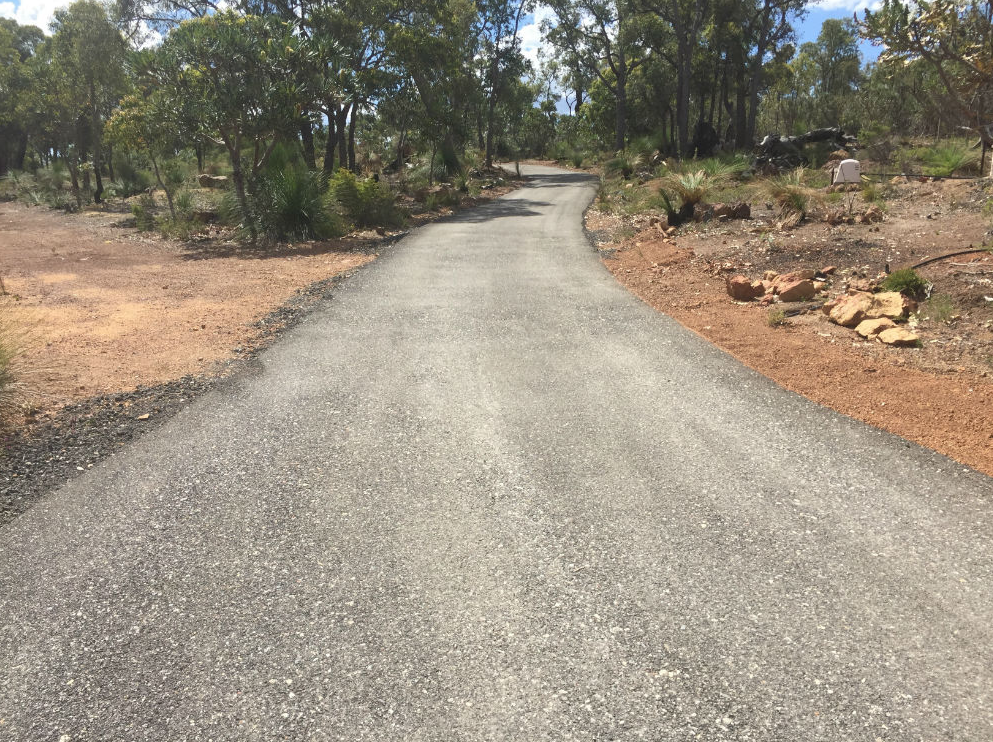
An ageing asphalt surface does not automatically need to be completely removed and rebuilt. In many cases, the visible wearing layer may have deteriorated while much of the pavement underneath remains stable. When this is the case, asphalt resurfacing can provide an effective way to renew the surface while retaining the sound parts of the existing pavement.
The key is determining how far the deterioration has progressed. Cracking, surface wear and previous repairs can sometimes be addressed as part of resurfacing preparation, whereas widespread base failure, severe movement or major deformation may require more substantial reconstruction.
For property owners and businesses in McLaren Vale, SA, having an older pavement properly assessed can clarify which approach is suitable. McLaren Vale Road Tech SA provides professional asphalt resurfacing and pavement preparation based on the existing condition of the surface rather than assuming every ageing pavement needs the same treatment.
What Does Asphalt Resurfacing Involve?
Asphalt resurfacing generally involves preparing an existing pavement and installing a new asphalt wearing layer over the suitably prepared surface.
The process is different from complete reconstruction because the existing pavement structure is retained where it remains serviceable.
Before resurfacing, the pavement should be inspected for defects that could affect the new layer. Preparation may include:
- Repairing potholes and failed sections
- Correcting localised depressions
- Addressing significant cracking
- Restoring damaged edges
- Improving surface levels where necessary
- Correcting relevant drainage problems
- Preparing the existing asphalt for the new surface
Once the pavement is suitable, the new asphalt layer can create a smoother and more consistent surface.
When Is Old Asphalt a Good Candidate for Resurfacing?
The age of asphalt alone does not determine whether it can be resurfaced.
What matters more is the condition of the supporting pavement.
An older surface may still be suitable for resurfacing if deterioration is mainly affecting the upper asphalt and the underlying structure remains stable. Typical conditions can include general weathering, moderate surface wear, isolated repairs and limited cracking.
The pavement should also remain reasonably consistent in level without widespread movement.
In these circumstances, retaining the sound pavement underneath can make resurfacing a practical method of renewing the area.
Surface Wear Does Not Always Mean Structural Failure
Asphalt naturally changes as it ages.
The surface may become faded, rougher or less uniform. Aggregate can become more exposed, and minor defects may gradually appear.
These changes can make a pavement look significantly older without necessarily indicating that the complete structure has failed.
This distinction is important.
If deterioration is predominantly confined to the wearing surface, resurfacing may be able to restore the pavement. If the supporting layers have lost strength, however, simply placing new asphalt over them will not correct the problem.
A professional assessment helps establish the difference.
What Do Existing Cracks Tell You?
Cracking is one of the most common concerns with older asphalt, but not all cracking has the same significance.
A small number of relatively minor cracks may be manageable during preparation. Widespread interconnected cracking can indicate movement or deterioration deeper within the pavement.
The location and pattern of the cracks can provide useful information.
For example, cracking concentrated around wheel paths or depressions may indicate repeated loading or underlying movement. Cracks around deteriorating edges may be associated with insufficient support.
The cause should be considered before new asphalt is installed.
Potholes Need to Be Repaired Before Resurfacing
A new asphalt layer should not simply be installed over potholes.
A pothole represents an area where pavement material has already failed and been lost. The supporting material underneath may also be unstable.
Proper preparation can involve removing loose or deteriorated material, restoring the affected pavement layers and compacting the repair before resurfacing proceeds.
This creates a more dependable foundation for the new asphalt.
Where numerous potholes are present, the wider pavement should also be assessed to determine whether the deterioration is still sufficiently localised for resurfacing.
Depressions and Rutting Need Closer Investigation
Low areas and wheel ruts are particularly important when deciding whether old asphalt can be resurfaced.
Minor surface irregularities may sometimes be corrected during preparation. More significant deformation can indicate movement within the pavement structure.
If the base continues moving after resurfacing, the new asphalt can eventually follow the same deformation.
Deep rutting, substantial settlement or repeated depressions should therefore be investigated before determining the appropriate treatment.
Drainage Can Influence the Decision
A pavement may have deteriorated because water is not moving away from it effectively.
Standing water can enter cracks and damaged areas, eventually affecting pavement materials underneath. Runoff can also erode edges and reduce lateral support.
If an older asphalt surface consistently develops puddles after rainfall, the existing levels and drainage conditions should be assessed before resurfacing.
A renewed surface performs best when the causes of moisture-related deterioration have been addressed rather than simply covered.
The Base Is the Most Important Part You Cannot See
The condition of the pavement underneath the asphalt often determines whether resurfacing is suitable.
A stable base distributes vehicle loads and supports the wearing surface above. If this material remains well compacted and structurally sound, much of the existing pavement may still have useful service life.
A failed base presents a different situation.
Soft areas, major settlement and widespread movement can cause a new asphalt layer to crack or deform even when the resurfacing itself has been installed correctly.
This is why the appearance of the existing asphalt cannot be the only factor considered.
What If Only Some Areas Have Failed?
Older asphalt does not always deteriorate evenly.
Entrances, turning areas, heavily travelled wheel paths and sections exposed to concentrated loading can deteriorate sooner than surrounding pavement.
This does not necessarily mean every part of the surface needs rebuilding.
Where failures are localised, affected areas may be reconstructed individually before the wider pavement is resurfaced.
This approach allows sound existing pavement to be retained while providing additional attention where structural deterioration has occurred.
When Does Complete Reconstruction Become More Appropriate?
There are circumstances where resurfacing is unlikely to provide the appropriate solution.
Complete or substantial reconstruction may need to be considered where the supporting pavement has deteriorated extensively.
Indicators can include severe rutting, widespread structural cracking, numerous recurring potholes, major settlement and movement across large areas.
At this point, the deterioration is no longer primarily a surface problem.
Failed material may need to be removed so the pavement can be rebuilt, graded and compacted before new asphalt is installed.
Why Simply Covering Old Asphalt Can Cause Problems
Resurfacing should not be confused with placing asphalt directly over every existing defect.
If unstable areas remain underneath, they can continue moving. Cracks may reappear, depressions may return and repaired sections can begin failing again.
Successful resurfacing therefore depends heavily on preparation.
The objective is to retain the parts of the existing pavement that remain structurally useful while correcting the areas that could compromise the renewed surface.
Resurfacing Can Improve More Than Appearance
A renewed asphalt surface can certainly improve the presentation of an ageing pavement, but its practical benefits are equally important.
When appropriately prepared and resurfaced, an old pavement can regain a smoother, more consistent travelling surface.
This can improve everyday use across driveways, accessways, parking areas and other asphalt pavements.
Removing the unevenness created by surface wear and numerous previous patches can also make vehicle movement more predictable.
The real value of resurfacing therefore comes from restoring the function of a suitable existing pavement, not simply making old asphalt look newer.
Timing Can Affect the Options Available
There can be advantages in assessing asphalt before deterioration becomes severe.
When the wearing surface is ageing but the underlying pavement remains sound, resurfacing may still be an option. If cracks, water infiltration and potholes are allowed to progress for a prolonged period, damage can extend into the supporting layers.
Once widespread structural deterioration develops, more extensive preparation or reconstruction may become necessary.
Early assessment does not mean that immediate major work will always be recommended. It simply provides a clearer understanding of the pavement condition while more treatment options may still be available.
Why a Professional Pavement Assessment Matters
Determining whether old asphalt can be resurfaced requires more than judging how worn it looks.
An experienced surfacing contractor considers the pavement as a complete system. This includes the asphalt condition, cracking patterns, potholes, levels, drainage, edges, traffic demands and stability of the supporting pavement.
For an older asphalt surface in McLaren Vale, SA, this assessment helps answer the most important question: is there still a sound pavement worth preserving underneath the visible deterioration?
If there is, resurfacing may be appropriate. If significant structural failure is identified, those areas can be addressed before a new surface is installed.
Conclusion
Old asphalt can often be resurfaced instead of completely rebuilt when the underlying pavement remains structurally stable. General wear, ageing, minor cracking and localised defects do not automatically mean the entire pavement has reached the end of its useful service life.
The suitability of resurfacing depends on what is happening below the visible surface. Potholes, unstable sections, drainage problems and localised base failures should be corrected first, while widespread structural movement may require more substantial reconstruction.
McLaren Vale Road Tech SA provides professional asphalt resurfacing, repairs and pavement preparation throughout McLaren Vale, SA. If your existing asphalt is looking worn and you are unsure whether it needs resurfacing or more extensive work, contact our team to arrange an assessment and discuss an appropriate approach for restoring the pavement.
Call us on: 08 6727 9106
Click here to find out more about McLaren Vale Road Tech SA
Click here to complete our contact form and see how we can help with your Asphalt and Bitumen Surfacing needs.